More Than Just Genetics: Understanding the Different Types of Hair Loss
Understanding the type of hair loss you’re experiencing is the most critical first step toward finding an effective solution. This guide will break down the most common forms of hair loss, their tell-tale signs, and what your next steps should be.
3 min read
What Is Hair Loss?
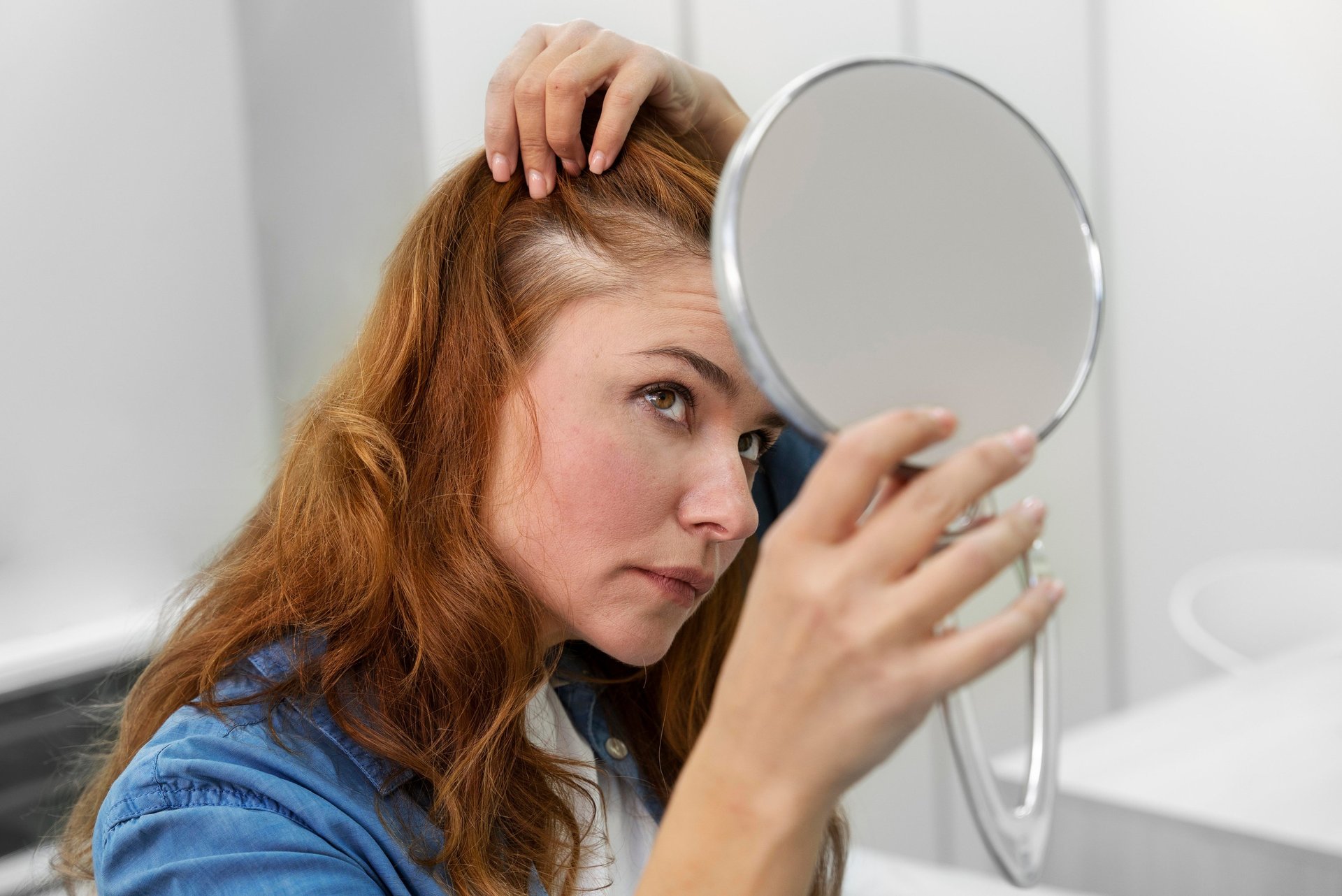
Before diving into specific types, it's important to understand that losing some hair daily is completely normal. The average person loses 50-100 hairs per day as part of the natural hair growth cycle. Hair loss becomes a concern when this rate increases significantly or when hair doesn't grow back to replace what's been lost.
The medical term for hair loss is "alopecia," and it can affect not just the scalp but any area of the body where hair grows.Not all hair loss is created equal. If you’re noticing more strands in your brush or a change in your hairline, your first instinct might be to blame genetics and resign yourself to fate. But what if the cause is something entirely different — and something you can actually address?
Understanding the type of hair loss you’re experiencing is the most critical first step toward finding an effective solution. This guide will break down the most common forms of hair loss, their tell-tale signs, and what your next steps should be.
Hair loss affects millions of people worldwide, yet many don't understand the various forms it can take or what causes each type. Whether you're noticing your first signs of thinning or have been dealing with hair loss for years, understanding the specific type you're experiencing is crucial for finding the right treatment approach.
This overview barely scratches the surface. Each variety deserves its own spotlight, which is exactly what they'll get in my upcoming feature articles.
1. Androgenetic Alopecia (The Most Common Culprit)
What it is:
Often called male-pattern baldness or female-pattern hair loss, this is the genetic, hormonal hair loss that most people are familiar with. It’s caused by a sensitivity to dihydrotestosterone (DHT), a derivative of testosterone, which miniaturizes hair follicles over time, leading to thinner, shorter hairs until eventually, growth stops.
If your parents or grandparents experienced pattern baldness, you're more likely to as well.
Key Signs:
In Men: A receding hairline that forms an "M" shape and/or thinning at the crown (vertex).
In Women: A gradual widening of the part line and diffuse thinning across the top of the scalp. The hairline usually remains intact. Rarely complete baldness
Next Steps:
This type responds best to treatments that block DHT or stimulate hair growth. The most clinically proven options include topical minoxidil, oral finasteride (for men) and low-level laser therapy.
2. Telogen Effluvium (Temporary Shedding)
What it is:
This is a temporary form of hair loss characterized by a widespread shedding of hairs. It happens when a significant stressor shocks the system, pushing a large number of hair follicles into the "resting" (telogen) phase prematurely. About 2-3 months later, those hairs shed all at once.
Common Triggers:
Severe emotional or physical stress
Major surgery, illness, or high fever
Significant weight loss or crash dieting
Hormonal changes (e.g., childbirth, stopping birth control pills)
Nutrient deficiencies (especially iron, vitamin D, and zinc)
Key Signs:
Sudden, diffuse thinning all over the scalp — not just on the top. You'll notice a lot of hair coming out when you wash or brush it.
Next Steps:
The good news? This is almost always reversible. Identifying and addressing the trigger is key. Supporting your body with proper nutrition, stress management tools, and gentle hair care products can help recovery. We recommend focusing on a balanced diet, but a high-quality hair vitamin can help fill nutritional gaps.
3. Alopecia Areata (An Autoimmune Condition)
What it is:
This is an autoimmune disorder where the body’s own immune system mistakenly attacks the hair follicles, causing hair to fall out.
Key Signs:
Sudden, often circular, patches of smooth, completely bald skin on the scalp or other body parts.
The skin is not usually red or scaly.
Next Steps:
If you suspect alopecia areata, it’s essential to see a dermatologist for a proper diagnosis. Treatments can include corticosteroid injections, topical immunotherapy, or other medications to suppress the immune response in the area.
4. Traction Alopecia (Cause by Hairstyles)
What it is:
This is hair loss caused by prolonged tension and pulling on the hair follicles. It’s entirely preventable and is often the result of certain hairstyles.
Common Causes:
Tight ponytails, braids, cornrows, buns, and hair extensions.
Key Signs:
Thinning and breakage around the hairline, temples, or areas where the hair is pulled tightest. It often starts with redness, bumps, and soreness.
Next Steps:
The solution is to stop the pulling immediately. Switch to looser hairstyles and give your hair a break. Early stages are reversible, but long-term traction can lead to permanent scarring. Using strengthening, reparative shampoos and conditioners [affiliate link] can help recover damaged hair.
5. Anagen Effluvium (Rapid Loss from Medical Treatment)
What it is:
This is the rapid hair loss that occurs during the growth (anagen) phase of the hair cycle. It’s most commonly associated with chemotherapy or radiation treatment for cancer.
Key Signs:
Rapid, widespread hair loss, often including body hair.
Next Steps:
Hair typically regrows on its own once the treatment is complete. During this time, many people explore options like wigs, scarves, and gentle scalp care routines to manage the side effects.