The Hidden Struggle: Living with Female Androgenetic Alopecia
In My Story, you can read in detail about my condition and struggle with androgenic alopecia. I have been suffering from it for 15 years now. I've learned so much about this condition that affects way more women than anyone talks about. If you're going through something similar – especially if you're younger and feeling like you're the only one – this is for you.
5 min read
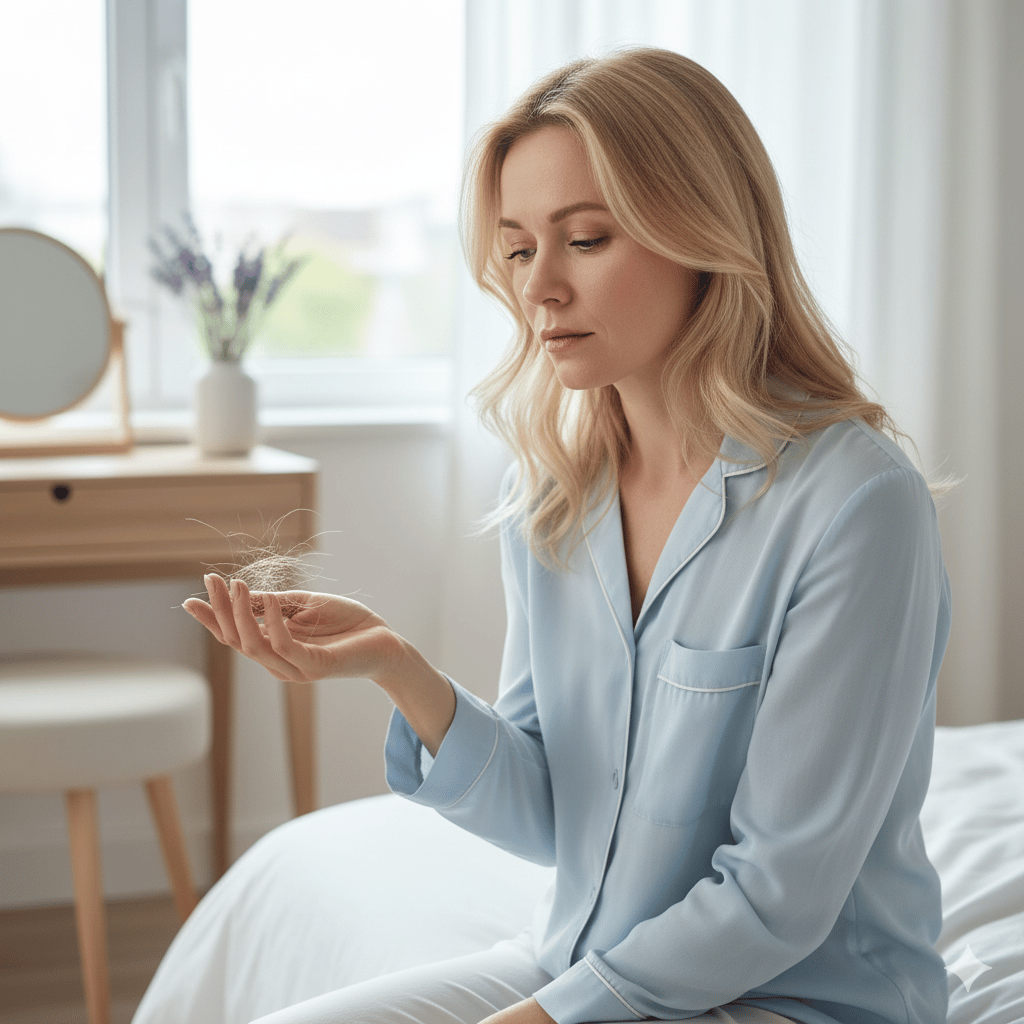
Androgenetic alopecia affects millions of women, including many of us in our thirties who never expected to face hair loss so young. The psychological impact is real, significant, and deserves recognition and support.
The Reality Check: You're Not Alone (Even Though It Feels Like It)
My dermatologist dropped some statistics on me that completely changed my perspective:
It's more common than you think: Androgenetic alopecia affects approximately 50% of women by age 50. But here's what shocked me – studies show that about 12% of women start showing signs by their late twenties, and up to 25% of us begin experiencing pattern hair loss before menopause even hits.
It starts younger than people realize: I felt like such an anomaly at 30, but research indicates that early-onset female androgenetic alopecia (starting in your twenties or thirties) affects millions of women worldwide. We just don't talk about it because society expects women to have full, thick hair well into our golden years.
The numbers keep growing: Some recent studies suggest that the prevalence might be even higher than previously thought, possibly due to increased stress, environmental factors, or just better recognition and reporting of the condition.
It's massively underdiagnosed: So many women my age go years thinking their hair loss is due to stress, diet, over-styling, or hormones, without realizing there's an actual genetic condition behind it.
My dermatologist told me I wasn't unusual, that there were thousands of women in their thirties dealing with the exact same thing. In result linally I felt less alone for the first time in months.
Understanding the Science
Female androgenetic alopecia is caused by a genetic sensitivity to DHT (dihydrotestosterone). Unlike men who often lose hair in specific patterns, women typically experience diffuse thinning across the entire scalp, with the crown area usually being most affected. For those of us who start young, it's often because we have a stronger genetic predisposition that overcomes the protective effects of our still-high estrogen levels.
The Hormonal Component
What I learned is that estrogen typically protects against hair loss, which is why many women don't notice significant thinning until perimenopause. But when you have a strong genetic predisposition like I do, even high estrogen levels in your thirties might not be enough to prevent the process from starting.
The Psychological Impact: What Nobody Prepared Me For
If you've never experienced hair loss as a woman, especially as a young woman, it's hard to understand the psychological toll. Let me paint you a picture of what the last five years have been like emotionally.
The Identity Crisis
Hair, for women, isn't just hair. It's tied to our femininity, our identity, our confidence. When I started losing mine at 30, I felt like I was losing a fundamental part of who I was. I'd always had thick, healthy hair – it was one of the things I felt confident about. Suddenly, that security was gone.
Research backs up what I felt. Studies show that women with androgenetic alopecia have significantly higher rates of anxiety and depression compared to women without hair loss.
One study found that 40% of women with hair loss reported relationship problems, and 63% said it affected their career confidence.
The Daily Mental Load
What people don't realize is how much mental energy hair loss consumes on a daily basis. I started planning my life around my hair:
Checking mirrors obsessively throughout the day
Avoiding certain lighting situations (overhead fluorescents are the worst)
Declining invitations to outdoor activities where wind might expose my scalp
Spending 20+ extra minutes every morning trying to style my hair to maximize coverage
Taking photos became anxiety-inducing – I'd delete dozens before finding one where my hair looked acceptable
The Isolation Factor
The worst part was feeling so alone in this experience. At 30, none of my friends were dealing with hair loss. When I tried to bring it up, I got responses like "Oh, your hair looks fine!" or "Just use some volumizing shampoo." While well-meaning, these responses made me feel like I was being dramatic or vain.
The lack of representation didn't help. You see older women with thin hair, and that's somewhat expected. But young women with androgenetic alopecia? We're invisible in media, in conversations, in support resources. Everything is geared toward either men with hair loss or women over 50.
The Shame Spiral
I felt ashamed of how much my hair loss affected me. Society tells women we should be confident regardless of our appearance, that obsessing over hair is shallow. But when something so tied to your identity starts disappearing, those feelings aren't shallow – they're human.
I went through a period where I felt "unfeminine" and worried that people saw me differently.
I avoided dating for months because I was convinced no one would find me attractive with thinning hair. I turned down a promotion opportunity because I didn't feel confident enough to present to senior leadership.
The Financial and Emotional Drain
The search for solutions became all-consuming and expensive. I tried:
Dozens of "miracle" shampoos and treatments
Expensive salon treatments that promised thickening
Supplements that were supposed to boost hair growth
Different styling tools and techniques
Concealers and fibers to hide the thinning areas
Each failed attempt felt like another blow to my hope and my bank account.
The Numbers Game: Understanding the Scope
Since my diagnosis, I've become somewhat of a researcher on this topic. Here's what the data really shows about female androgenetic alopecia:
Prevalence by Age:
12% of women by age 29 (that's me and many of you reading this)
25% of women before menopause
41% of women by age 50
Up to 75% of women over 65
Psychological Impact Studies:
52% of women with hair loss report decreased self-esteem
44% avoid social situations due to their hair loss
29% report that hair loss negatively impacts their career
75% say hair loss affects their overall quality of life
Underdiagnosis Issues:
It's estimated that only about 45% of women experiencing androgenetic alopecia receive a proper diagnosis
The average time between noticing hair loss and seeking treatment is 2.5 years
Many women cycle through multiple healthcare providers before getting accurate information
These numbers tell a story of millions of women suffering in silence, especially those of us who start experiencing this in our thirties.
What I Wish I'd Known Earlier
15 years into this journey, here's what I wish someone had told me when I was 30 and panicking:
It's a Medical Condition
This isn't about not taking care of your hair properly or being too stressed. Androgenetic alopecia is a genetic medical condition that deserves proper diagnosis and treatment.
You Have Options
While female hair loss is more challenging to treat than male pattern baldness, there are effective options available. From topical treatments to newer therapies, don't give up hope.
It Gets Easier
15 years in, I've found peace with my situation in ways I never thought possible. I've learned to style my hair differently, and found treatments that finally really help.
You're Not Alone
There are thousands of women in their thirties dealing with this exact situation. We're just not talking about it openly yet, but we should be.
Moving Forward: Finding Hope and Community
If you're reading this and seeing yourself in my story, please know that while this journey isn't easy, it's not hopeless. Here's what's helped me:
Seeking Proper Medical Care: A dermatologist who specializes in hair loss can provide accurate diagnosis and treatment options tailored to your specific situation.
Finding Your People: Online communities of women dealing with early-onset hair loss have been invaluable. We share treatment experiences, styling tips, and most importantly, emotional support.
Focusing on Overall Health: While we can't change our genetics, maintaining good overall health, managing stress, and eating well can support whatever hair we have.
Redefining Beauty Standards: This has been the hardest but most important part – learning to see beauty and femininity beyond hair thickness.
Treatment That Works: I've found a combination approach that has genuinely helped slow my hair loss and improve what I have. It's taken time and patience, but progress is possible.